
In fields such as medical protection, building waterproofing, and electronic packaging, breathable films have become key materials ensuring product performance. As a bridge connecting upstream and downstream, the technical strength and product stability of breathable film suppliers directly affect the quality of end products. This article will analyze how to scientifically select breathable film suppliers from three dimensions: material principles, performance indicators, and application scenarios.
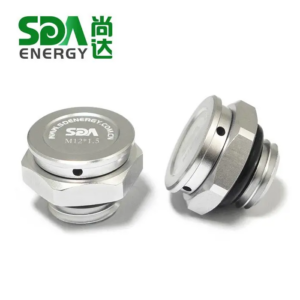
How to choose a breathable film supplier? Understanding material properties and application scenarios in one article
The core principle of breathable film: microporous structure achieves “breathing” function
The essence of a breathable membrane lies in its micro-porous material, formed through precision processing. Its working principle resembles a “sieve”: when water vapor molecules (with a diameter of approximately 0.4 nanometers) pass through, the micro-porous structure allows them to diffuse freely; whereas liquid water (with a diameter of about 100 nanometers) or bacteria (with a diameter ranging from 0.5 to 5 micrometers) are effectively blocked. This “selective breathability” characteristic enables the breathable membrane to strike a balance between protection and comfort.
Currently, mainstream breathable membrane materials include polytetrafluoroethylene (PTFE), polyethylene (PE), polypropylene (PP), etc. Among them, PTFE membranes are widely used in medical protective clothing due to their high temperature resistance and chemical corrosion resistance; PE membranes, due to their cost advantage, have become a common choice for building waterproof layers. The technical differences among suppliers are mainly reflected in the control precision of micropore size (usually requiring nanometer-level precision) and membrane uniformity.
Three core indicators for selecting suppliers
1. Balance between breathability and waterproofness
The performance of breathable films must satisfy the contradictory requirements of “high breathability + high waterproofness”. Quality suppliers achieve an optimized combination of breathability (unit: g/m²·24h) and hydrostatic pressure (unit: mmH₂O) by adjusting the micropore density and pore size distribution. For example, medical protective clothing requires a breathability of ≥2500g/m²·24h and a hydrostatic pressure of ≥17cmH₂O, which places extremely high demands on the supplier’s process control.
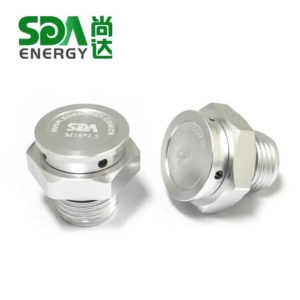
How to choose a breathable film supplier? Understand material properties and application scenarios in one article
2. Weather resistance and stability of materials
In the field of outdoor architecture or automotive, breathable membranes must endure environmental challenges such as ultraviolet radiation, temperature fluctuations, and humidity over an extended period. Suppliers must enhance the aging resistance of the materials by incorporating modification techniques like adding antioxidants and ultraviolet absorbers. For instance, modified PTFE membranes maintain stable performance within a temperature range of -50℃ to 150℃, whereas ordinary PE membranes tend to become brittle at low temperatures.
3. Customized development capability
The performance requirements for breathable films vary significantly across different application scenarios. The medical field demands antibacterial treatment, electronic packaging necessitates anti-static functionality, and the construction industry focuses on flame retardant ratings. Suppliers with R&D capabilities can provide customized solutions based on customer needs by adjusting substrate formulations, coating processes, or composite structures. For instance, a supplier developed a breathable film specifically for new energy vehicle battery packs, which simultaneously features an explosion-proof valve and IP67 waterproof capability.
The application scenario determines the direction of choice
In the medical field, breathable films must pass ISO 10993 biocompatibility certification, and suppliers must possess clean workshop production capabilities. In the construction sector, greater attention is paid to the UV resistance of materials and construction convenience. In the electronics industry, breathable films are required to be compatible with packaging materials to avoid chemical corrosion. Purchasers need to clarify performance priorities based on the usage environment of the end product, and then select matching suppliers.
The technological iteration of breathable films is accelerating. From single-layer films to composite films, and from general-purpose to functional types, the innovation capability of suppliers directly determines the industry ceiling. For buyers, choosing a supplier is not just about purchasing products, but also about selecting a technological partner. It is recommended to comprehensively evaluate the comprehensive strength of suppliers through methods such as small-batch trial production and long-term stability testing.
Are you feeling confused about choosing a breathable film supplier? Why not start with the core indicators mentioned in this article and combine them with your own application scenarios to establish a scientific evaluation system. Remember: what suits you is the best, and technical compatibility is more important than brand recognition.