With the increasing popularity of electric vehicles and the continuous advancement of battery technology, the traction battery system has become a core component of modern transportation vehicles. However, as a part of the high-energy storage system, the traction battery system may face hazards under extreme conditions, such as energy explosion caused by internal short circuits in the battery pack. To address this challenge, explosion-proof valves have emerged as a crucial protective device in the traction battery system. This article will delve into the working principle, importance, and application of explosion-proof valves in electric vehicle technology.

Part 1: Overview of power battery system
The traction battery system serves as the power source for electric vehicles. It typically comprises a large number of battery cells, collectively forming a battery pack. This system boasts high energy density, enabling it to provide prolonged electric power support for vehicles. However, alongside its high energy density, it also poses certain potential hazards, with one of the primary risks being internal short circuits within the battery.
1.1 Internal short circuit of battery
Internal short circuit of a battery refers to the electrical connection between two or more electrodes inside a single battery cell, resulting in direct current flow through the short-circuited path. This situation can be caused by various factors, such as manufacturing defects, physical damage, or battery aging. Regardless of the cause of the short circuit, the consequences can be catastrophic. When current converges at the short-circuited point, a large amount of energy is concentrated in a very small area, leading to extreme temperature rise and even explosion hazards.
1.2 The birth of explosion-proof valves
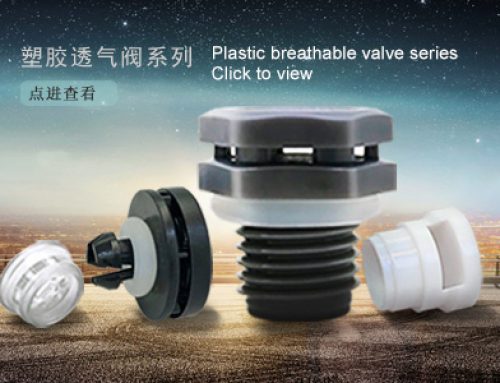
To prevent potential disasters caused by internal short circuits in batteries, engineers have incorporated explosion-proof valves as a component of the power battery system. The fundamental operating principle of an explosion-proof valve is to swiftly release energy during concentrated bursts, thereby preventing battery pack explosions.
Part 2: Operating Principle of Explosion-proof Valve
2.1 Rapid energy release
The core function of an explosion-proof valve is to quickly release the energy inside the battery to the outside in case of dangerous events such as internal short circuits. This is achieved through a valve mechanism, which typically consists of a combustible gas release valve and a combustible gas storage unit.
When a short circuit occurs inside the battery, the temperature rises sharply, causing the combustible gas within the storage unit to heat up and expand rapidly. Once the gas reaches a certain pressure, the combustible gas release valve will open, releasing the gas into the external environment. This process is very fast, enabling the rapid transfer of energy before the potential danger becomes severe.
2.2 Prevent energy concentration
Another crucial function of the explosion-proof valve is to prevent energy from concentrating in specific areas of the battery pack. Without an explosion-proof valve, an internal short circuit in the battery may cause energy to be concentrated and released at the weakest point of the battery pack, thereby increasing the risk of explosion. By rapidly transferring the energy to the external environment, the explosion-proof valve disperses the energy, reducing the likelihood of an explosion.
Part 3: The Importance of Explosion-Proof Valves
3.1 Safety
The importance of explosion-proof valves in power battery systems cannot be underestimated. They are a crucial factor in ensuring the safety of electric vehicles and other battery applications. In the event of dangerous events such as internal battery short circuits, explosion-proof valves can respond quickly to prevent serious accidents, thereby protecting people’s lives and property.
3.2 Extending battery life
In addition to safety, explosion-proof valves also contribute to extending the lifespan of batteries. Events such as internal short circuits in batteries not only pose a hazard but also impair the performance and lifespan of the battery. By promptly releasing energy to the outside, explosion-proof valves can mitigate the damage caused by these events to the battery, thereby extending its service life and reducing the costs associated with maintaining and replacing the battery.
3.3 Environmentally friendly
The use of explosion-proof valves also helps reduce adverse impacts on the environment. Explosions of battery packs can lead to the leakage of harmful substances into the environment, causing pollution to soil and water sources. By preventing battery pack explosions, explosion-proof valves contribute to protecting the health of the natural environment.
Part IV: Applications in Electric Vehicle Technology
4.1 Electric vehicles
In electric vehicles, explosion-proof valves are standard safety equipment. The high battery energy density of electric vehicles makes them particularly vulnerable to internal battery short circuits. Therefore, every electric vehicle is equipped with an explosion-proof valve to ensure the safety of drivers and passengers.
4.2 Off-road electric vehicles
In addition to traditional on-road electric vehicles, off-road electric vehicles such as electric bicycles, electric scooters, and electric motorcycles are also being used in an increasing number of scenarios. These vehicles typically feature small battery systems, but they also require explosion-proof valves to ensure the safety of their users.
4.3 Energy storage system
In addition to transportation vehicles, traction batteries are also widely used in energy storage systems, such as for household energy storage or industrial applications. These energy storage systems also require explosion-proof valves to address potential internal battery failures.
Conclusion
The rise of power battery systems has provided a powerful source of power for modern transportation and energy storage, but it also comes with some potential dangers. As a key safety device, explosion-proof valves play an irreplaceable role in preventing dangerous events caused by internal short circuits in batteries. Their working principles and wide range of applications aim to ensure people’s safety, extend battery life, and protect the environment. With the continuous development of electric vehicles and energy storage technology, explosion-proof valves will continue to play an important role in safeguarding our safety and sustainable future.