This represents the most radical growth pole of explosion-proof valves in the past decade. The driving factor is quite straightforward – when a lithium battery undergoes thermal runaway, the electrolyte decomposes and produces gas once the cell temperature exceeds 150℃, causing the internal pressure of the battery pack to surge in an extremely short period of time. According to industry statistics, the installation of pressure relief valves in accordance with regulations can significantly reduce the probability of battery pack explosions.
Three-level protection system
At the cell level: The safety valve (CID/burst disc) located at the top of the single cell serves as the primary pressure relief vent.
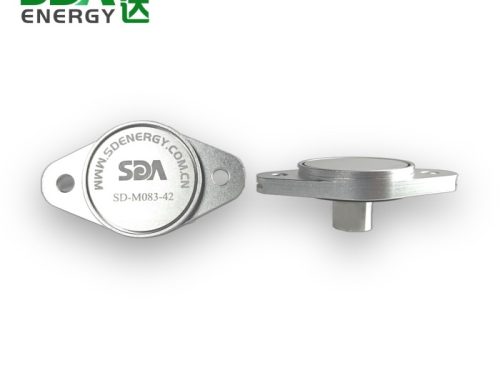
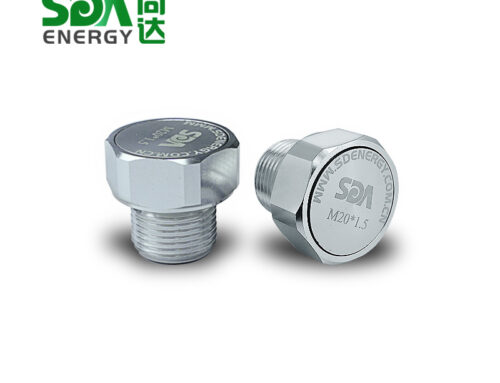
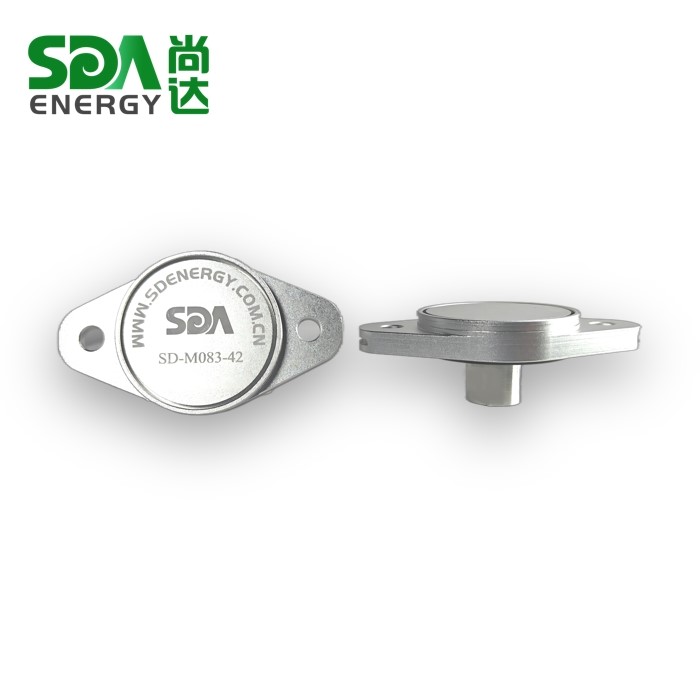
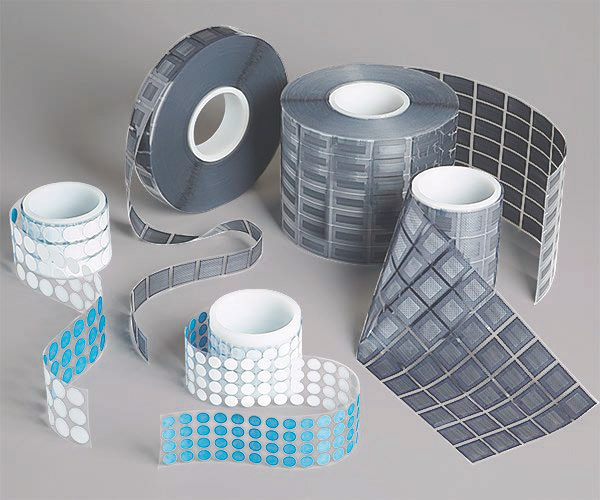
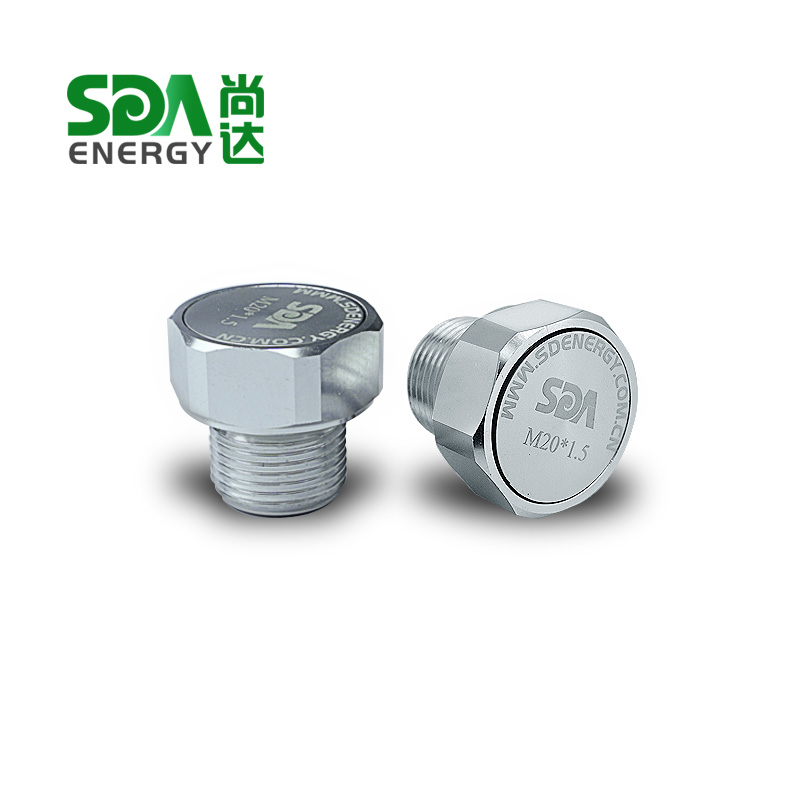
PACK level: Battery pack explosion-proof valve. This is the most mainstream product form, typically featuring a dual-function design of “daily ventilation + emergency pressure relief”: under normal operating conditions, it maintains a balanced pressure difference through bidirectional breathing through an ePTFE membrane (while maintaining IP67/IP68 protection); in the event of thermal runaway, the mechanical mechanism (piston spring type, needle type, or rupture disc type) opens a large channel for directional exhaust in milliseconds.
Key parameters:
Opening pressure: commonly 5~50 kPa (can be customized according to the gas generation characteristics of lithium iron phosphate/ternary systems, and there are also models with as low as 1.5 kPa)
Response time: <5~10 ms
Empirical value of discharge area: not less than 20 cm² per kWh
The high-end model features a built-in metal filter that can intercept over 95% of combustion particulate matter; it integrates temperature-pressure dual triggering
Certification: UL 1973 (Capable of withstanding over 1000 pressure cycles)
An electric vehicle is typically equipped with 6 to 12 pressure relief valves, which are arranged on the top of the module or at different locations on the body. The exhaust direction must be designed in a directional manner – avoiding the passenger compartment and high-voltage components. This is a hard constraint in the overall vehicle safety design.
System level (energy storage): The energy storage cabinet adopts multiple protections including “PACK explosion-proof valve + cabinet pressure relief valve + fire protection”. Explosion-proof pressure relief valves are installed at the front and back of the cabinet, which will open when there is a pressure imbalance inside the cabinet, quickly and orderly discharging combustible gases to ensure that the concentration inside the cabin remains below the lower explosion limit, thereby significantly reducing the risk of deflagration.
Other emerging scenarios
Hydrogen storage tank: Overpressure protection for high-pressure hydrogen systems, posing new requirements for hydrogen-resistant materials
Photovoltaic silicon material reaction furnace: process overpressure protection in polysilicon production
Ship battery compartments and mining equipment: They require explosion-proof certifications such as ATEX, with higher standards
Consumer electronics: The trend towards miniaturization is evident, with pressure relief valves for mobile phones already being able to achieve a size of 3×3 mm and an opening pressure of approximately 15 kPa
PACK level: battery pack explosion-proof valveadmin2026-10-02T20:48:07+08:00